
Teaching Kids About Bullying: Recognition and Help
11/19/20254 min read
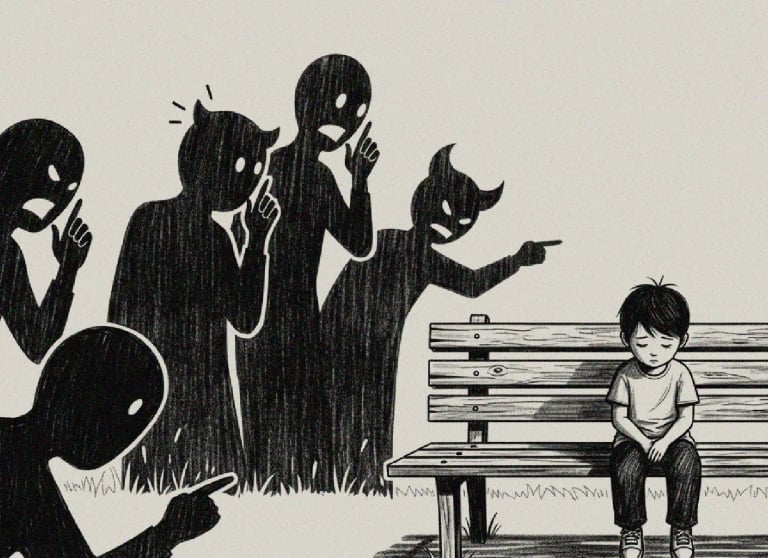
Recent research shows that 49.8% of kids aged 9 to 12 years old experience bullying at school. In this era of digital devices, children are not safe even at home; 14.5% of children experience bullying online. This pervasive issue is affecting children and adolescents worldwide.
Bullying is a pervasive threat, which takes various forms to intimidate and harm vulnerable children. It can be physical, verbal, or cyberbullying. Hence, it is essential to teach children about bullying, recognize it, and seek help when needed.
This blog will highlight the importance of educating kids about bullying and providing guidance when needed.
What is Bullying?
Bullying is the act of abusing someone physically, verbally, or online who is weaker in terms of power, authority, physical strength, social standing, or financial status
Boys are more likely to face physical bullying, while girls often experience psychological bullying. The most disheartening part is that vulnerable children are most often targeted by bullying. These children are often from marginalized communities, kids with different gender identities, differently-abled children, and others.
Let us now explore how to recognize that the kids are being bullied, especially when they do not tell us for some reason:
Characteristics of the Child Being Bullied
There are various physical and emotional changes in a child’s behavior when bullied. Children need to recognize the signs of bullying, whether they are victims or bystanders. Here’s how a child or a parent can identify bullying:
Physical Signs
A child might suffer from frequent headaches, stomachaches, or other physical ailments due to physical harm done to them. They might have cuts, bruises, and scratches on their body. Also, if their belongings frequently go missing or their clothes are torn often, they might be disturbed due to bullying.
Emotional Signs
When a happy child suddenly becomes sad often, this might be a sign that they are being bullied. Anxiety, irritability, mood swings, depression, clinginess, tearfulness, and other emotional changes are a few more signs to be considered.
Behavioral Changes
Behavior is a reflection of the inner state of mind. Bullying causes a child to behave differently. For instance, avoiding social gatherings, sudden declines in academic and extracurricular activities, and changes in sleeping and eating habits.
Additionally, losing friends, not going out to play, and being aggressively intolerant towards jokes or judgments are also concerning factors. The most significant signs are isolation and not showing excitement or interest in their hobbies or favorite activities.
Now, let us explore the different ways to teach and make children aware of bullying
Educating About Bullying: A Step Towards Kid's Safety
There are various ways to educate children about bullying. Here are a few effective ways that one can follow as a parent or teacher to educate children about bullying:
Keep a Friendly Relationship With Children
Talk to your children frequently and openly like their friends. Talk to them not only about their academic performance but also about their feelings.
This sense of friendliness will make them comfortable telling you anything that feels wrong or uncomfortable. Ensure the kids know that their parents are always there to help them.
Teach Your Child to Help Others in Need
Teach your kids that they should not be bystanders whenever they witness any bullying act. They should help the child in need and handle the situation respectfully. Teach them to seek the help of their teachers or any known elder.
If the kids put this teaching into action, it will promote a sense of fearlessness among them and help them prevent such actions around them. This will ultimately help foster a positive environment.
Role-Playing
Sometimes, children are unaware that bullying should not be tolerated. Their vulnerable friend circle might make them feel that bullying is normal and has to be faced.
Role-plays can help in such cases. They help spread awareness about bullying, encourage children to speak up against it, and encourage them to seek help.
The first Monday of every October is celebrated as the World Day of Bullying Prevention. On this day, role-playing or spreading awareness through lectures about bullying to children at school or home can be done.
Let us explore the severe impacts that bullying can have on children:
Impacts of Bullying
Bullying leaves serious and long-term wounds in the hearts and minds of the victims. These wounds not only disrupt their emotional well-being but even impact their work and performance.
Also, the people who are bullied often engage in violent activities or risky behaviors later in life. The mental trauma can force them to take harsh steps like self-harm or suicide.
As a parent with a busy lifestyle, one cannot always monitor what their child is going through. Therefore, it is better to teach the kids about bullying today so that when they witness it, they can seek help from their loved ones.
Conclusion
It is necessary to teach kids about bullying and how to identify it. Also, we should teach them how to look for assistance to guarantee that they live in a healthy environment. We can prevent little ones from suffering due to bullying by fostering open communication. Facilitating empathy and respect, as well as identifying and dealing with problems related to bullying, should also be considered. We must understand that everyone has a role to play in stopping bullying. If you witness bullying, you must raise your voice against it to foster a safe environment for children.