Voiceless No More: How to Teach Kids to Name and Report Abuse
Bevin Carter
5/18/20254 min read
Understanding Abuse: Types and Signs
Abuse can manifest in various forms, each having distinct characteristics and effects on children. The primary categories of abuse include physical, emotional, sexual, and neglect. Recognizing these types of abuse is essential for caregivers and educators to respond effectively and provide necessary support.
Physical abuse involves the intentional infliction of bodily harm, such as hitting, kicking, or other forms of violence. Common signs include unexplained injuries, frequent bruises, or a child flinching at sudden movements. It is crucial to be aware that while some injuries may appear accidental, repeated occurrences can indicate a pattern of abuse that requires intervention.
Emotional abuse, although more subtle, can be equally damaging. It occurs when a child is subjected to behaviors that harm their emotional development, such as constant criticism, excessive control, or rejection. Signs of emotional abuse may include low self-esteem, withdrawal from social interactions, or extreme behavioral changes, which may signify the child’s distress. Recognizing these indicators is vital for ensuring a child’s mental health is prioritized.
Sexual abuse involves any unwanted or inappropriate sexual behavior with a child. Signs can range from physical evidence to changes in behavior, such as sexualized behavior inappropriate for their age or fear of certain individuals. Timely recognition and reporting of such signs are crucial to protecting the child and addressing the situation with the necessary seriousness.
Finally, neglect is a form of abuse characterized by the failure to meet a child’s basic physical and emotional needs. Indicators of neglect include poor hygiene, inadequate nutrition, and lack of supervision. Overall, understanding these types of abuse and the signs associated with them is essential for those in caregiving roles. By fostering a heightened awareness of these issues, adults are better equipped to identify, report, and ultimately prevent abuse, ensuring a safer environment for children.
Creating a Safe and Open Environment for Communication
Establishing a safe and open environment is crucial for encouraging children to communicate about their experiences, particularly when it involves sensitive issues such as abuse. Educators and caregivers play an essential role in crafting this atmosphere. Active listening is a fundamental strategy, as it helps children feel heard and valued. When adults engage fully with what a child is saying, it signifies that their thoughts and feelings are important. This approach not only promotes open communication but also fosters trust and confidence.
Using age-appropriate language is another critical aspect. Children may struggle to articulate their experiences or feelings about abuse if the language used is too complex or abstract. Therefore, caregivers should strive to simplify concepts and questions, ensuring that children can understand and respond effectively. Questions should be open-ended and non-judgmental, allowing children to share their thoughts without fear of reprimand or misunderstanding.
Encouraging open dialogue about feelings and experiences can also empower children. Providing regular opportunities for discussions about emotions, consent, and personal safety can normalize conversations around sensitive topics. It is helpful to create routines, such as check-in times during the day, where children can express how they are feeling without fear of judgment.
Building trust and rapport is paramount in this process. Adults should demonstrate empathy, patience, and reliability, which reinforces a child's sense of safety. Activities that promote bonding, such as storytelling or collaborative projects, can foster a stronger connection. As trust is established, children are more likely to feel comfortable disclosing any unsafe situations they may encounter. This supportive environment ultimately lays the groundwork for effective communication, enabling children to be voiceless no more when discussing challenging experiences.
Empowering Children: Teaching Them to Name and Report Abuse
Teaching children how to recognize, name, and report abuse is a fundamental aspect of ensuring their safety and well-being. This process involves equipping them with the necessary tools to understand their rights and empowering them to speak out if they find themselves in an unsafe situation. It is vital to approach this topic with sensitivity and age-appropriateness, using techniques that resonate with children.
One effective method is engaging in role-playing exercises. This interactive approach allows children to practice what they would do in various scenarios, giving them the opportunity to articulate what constitutes inappropriate behavior and how to respond. For instance, you can create a scenario where a child encounters someone who makes them feel uncomfortable. By acting out the situation, they can learn how to express their feelings and the steps needed to report the encounter. Role-playing helps alleviate the fear often associated with discussing uncomfortable topics and fosters confidence in their ability to respond.
Additionally, utilizing storytelling and puppetry can be incredibly powerful in conveying complex messages about personal safety. Children are drawn to stories and characters they can relate to, which makes these tools effective for illustrating concepts like consent and boundaries. Consider using books that tackle the theme of abuse or safety, or even creating puppet shows that depict scenarios where a character faces abuse. These creative mediums allow children to engage and reflect without feeling overwhelmed.
Moreover, incorporating educational resources such as activity books or games can further enhance children's understanding of their rights. Programs and materials dedicated to teaching personal safety can guide parents and educators in holding age-appropriate conversations about identifying and reporting abuse. Empowering children through these methods will not only help them understand their rights but also encourage them to speak out when necessary, fostering a culture of awareness and protection.
Action Steps for Educators and Caregivers: What to Do When Abuse is Disclosed
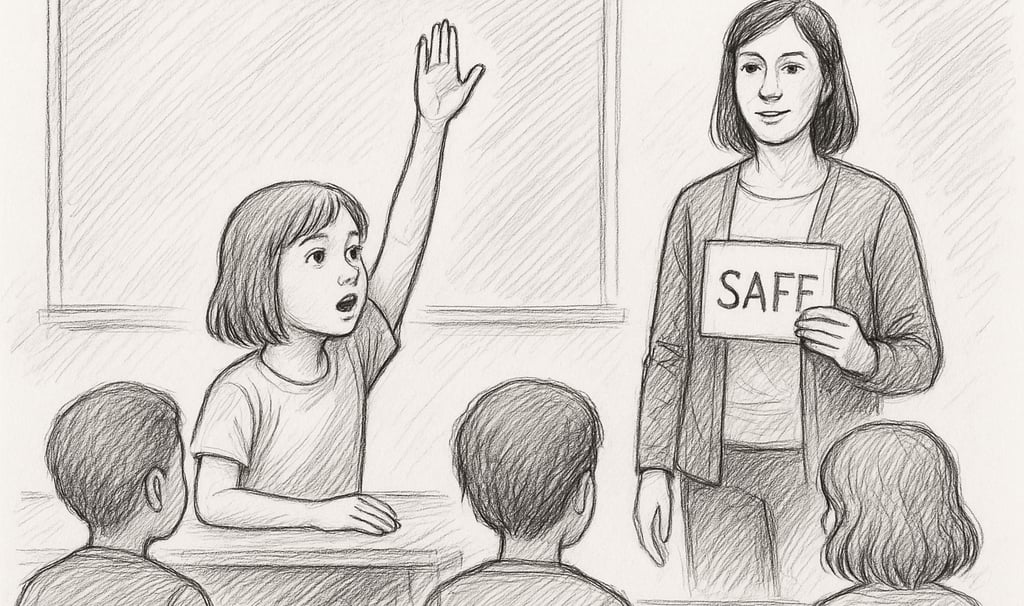
When a child discloses abuse, the response of educators and caregivers is critical in ensuring the child's safety and emotional well-being. First and foremost, it is essential to create a safe and supportive environment where the child feels comfortable sharing their experiences. Listen attentively without judgment, and validate their feelings by acknowledging the courage it takes to speak about such sensitive matters.
Maintaining confidentiality is another key aspect of handling abuse disclosures. Assure the child that their information will be kept private, but clarify that certain disclosures may require reporting to protect their safety and the safety of others. This transparency helps build trust between the child and the adult while preparing them for what might happen next in the process.
Upon receiving a disclosure, it is imperative to follow the established reporting procedures in your organization. Educators and caregivers must be familiar with local laws and regulations regarding mandatory reporting of child abuse. Promptly notify the designated authorities or child protective services, ensuring the child’s welfare remains the top priority throughout the reporting process. Documentation of the disclosure should be thorough; record the child’s exact words and any observable indicators of distress or trauma.
After the initial report, continue to provide support to the child. This can include facilitating access to appropriate resources, such as counseling services or therapy tailored to their needs. Encourage open communication, allowing the child to express their emotions as they navigate the aftermath of their disclosure. Establishing a consistent support system can help the child feel validated and understood, easing their journey through healing and recovery.