When Adults Stay Unhealed, Children Pay the Price: The Call for Accountability
Bevin Carter
5/18/20255 min read
Understanding the Impact of Untreated Trauma
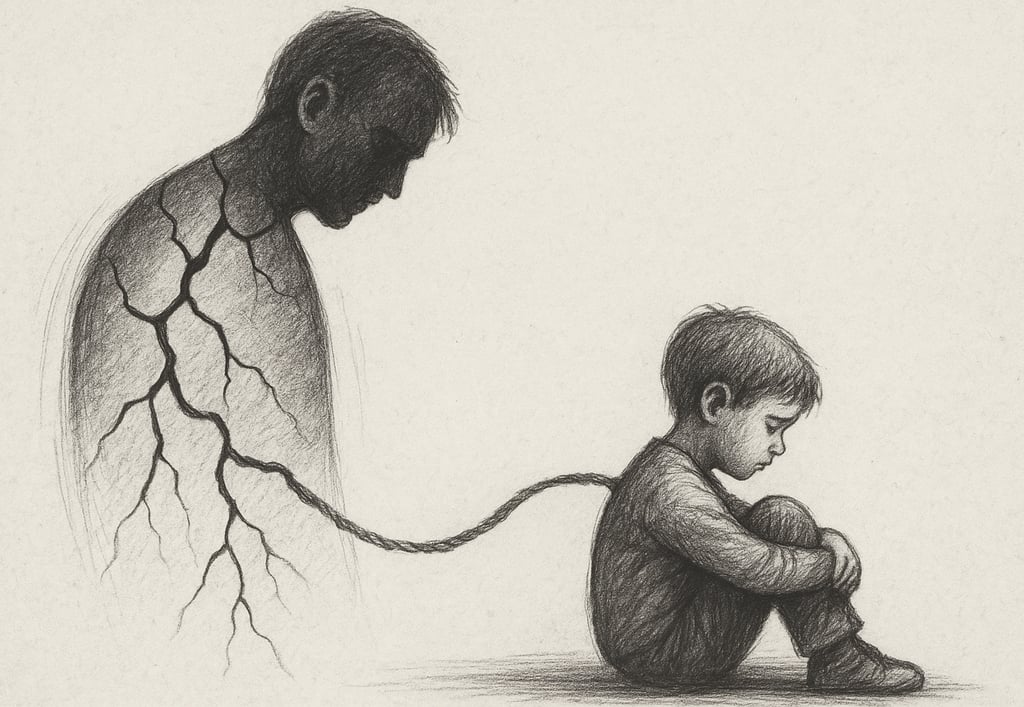
Untreated trauma in adults can have far-reaching consequences that extend to the younger generations in their care. When caregivers, including parents and educators, carry the burden of unhealed emotional and psychological wounds, the effects can manifest in various detrimental ways that profoundly affect children. Chronic stress, anxiety, and depression are often characteristics of untreated trauma; these conditions can severely impair an adult’s ability to nurture and support a child’s development. As a result, children may experience instability in their relationships and environments, which fosters a cycle of dysfunction that can be challenging to break.
The impact of adult trauma on children often emerges through behavioral issues. Children raised in environments where untreated trauma lingers may exhibit symptoms such as aggression, withdrawal, and anxiety. Studies indicate that when adults do not address their traumas, these unresolved issues can translate into parenting practices that are inconsistent or neglectful, thereby increasing children's behavioral complications. Furthermore, the emotional unavailability of caregivers grappling with their own pain can create a deficit in secure attachments for children, essential for building resilience and emotional intelligence.
In educational settings, the consequences of unhealed trauma in teachers and staff are equally concerning. Educators who carry emotional burdens may struggle to engage with students effectively, leading to a classroom environment fraught with misunderstandings and heightened tensions. Research illustrates that students often mirror the emotional states of adults, which can perpetuate cycles of stress and learning difficulties. Additionally, the inability of teachers to manage their trauma can hinder the students' academic performance and social interactions, potentially leading to a decline in overall well-being.
Ultimately, acknowledging and addressing untreated trauma in adults is vital for the promotion of healthier dynamics in families and educational environments. By recognizing the correlation between adult trauma and the well-being of children, society can take deliberate steps toward fostering healing, accountability, and holistic support systems that benefit future generations.
The Role of Caregivers in Children's Healing
Caregivers play a pivotal role in the development and healing of children, significantly influencing both their emotional and mental landscape. The well-being of a child is inherently connected to the mental and emotional state of their caregivers. When caregivers are unhealed from their traumas, it can lead to adverse outcomes for the children in their care, perpetuating a cycle of emotional distress and dysfunction. A caregiver's ability to nurture, protect, and support a child is compromised when their own emotional needs are unmet. This interaction can manifest in various ways, from an inability to provide comfort during times of distress to challenges in establishing healthy communication.
It is essential for caregivers to confront and heal their own traumas to create a nurturing environment for their children. Engaging in self-reflection and seeking professional help can serve as a cornerstone for personal healing. Strategies such as therapy, mindfulness practices, and participation in support groups can equip caregivers with the necessary tools to process their emotions and experiences. Through these avenues, caregivers can foster a greater self-awareness that ultimately benefits both them and their children.
Moreover, being accountable for one’s emotional health is crucial in breaking the cycle of trauma. When caregivers understand the impact of their mental states on their children, they can take proactive measures to mitigate any potential harm. This responsibility entails not only recognizing personal challenges but also actively seeking improvement. It is vital that caregivers prioritize their healing journey, as this very process permits them to provide appropriate nurturing and emotional support necessary for their children’s healthy development.
In this way, the path to healing for caregivers creates a ripple effect that allows children to experience a more stable, supportive environment, crucial for their overall emotional and psychological well-being. By actively engaging in the healing process, caregivers can ensure a brighter future for their children, transforming potential paths of emotional hardship into avenues of growth and resilience.
Accountability in Educational and Leadership Settings
Within educational and leadership settings, the influence of adults on children's development is profound and undeniable. Educators and leaders serve not only as primary facilitators of knowledge but also as role models whose behaviors, emotions, and unhealed trauma can substantially impact the young minds they nurture. When these adults remain unhealed from their past experiences, the repercussions can manifest in various ways, ultimately affecting the emotional and psychological well-being of their students.
Research has shown that unresolved trauma among educators can lead to detrimental outcomes, such as increased stress levels, decreased job performance, and a lack of empathy towards students. Children may sense this emotional turbulence and respond with behavioral issues, learning difficulties, or mental health challenges of their own. Therefore, it is imperative for educational institutions to prioritize mental health support for both staff and students, thereby fostering environments conducive to healing and growth.
Systemic change is needed in educational frameworks to address the roots of trauma among educators and leaders. Initiatives such as professional development programs focusing on trauma-informed practices not only equip staff with the skills to manage their healing journeys but also improve their interactions with students. For instance, schools that implement comprehensive mental health training have reported better emotional support strategies, resulting in more positive student outcomes.
Real-life examples, such as the implementation of wellness programs in various school districts, demonstrate the tangible benefits of prioritizing adult well-being. These initiatives have led to increased staff morale, decreased absenteeism, and a marked improvement in students' emotional health. Such programs underscore the importance of accountability in ensuring that educators and leaders acknowledge their role in the healing process. By creating a culture that emphasizes self-care and support, educational institutions can pave the way for a brighter future, mitigating the impact of unhealed trauma on children.
Taking Action: Steps for Repairing Relationships and Fostering Healing
In light of the profound impact unhealed adult trauma can have on children, it is essential for adults to recognize and take responsibility for their own emotional well-being. The journey toward accountability and healing is a multi-faceted process that not only benefits the individual but also the generations that follow. Acknowledging one’s trauma is the first significant step. This can involve personal reflection, therapy, or journaling to untangle the complexities of past experiences. By understanding how these traumas manifest in behavior and relationships, adults can begin to mitigate negative influences on their children.
Engaging in therapy—whether individually, as a couple, or as a family—can provide the necessary tools to address unresolved issues. Numerous community resources are available to support this healing journey, including local support groups, workshops, or counseling services. These resources not only foster personal growth but also create opportunities for adults to learn communication techniques that promote healthier interactions with their children. For instance, discussing feelings and experiences openly can help demystify emotional challenges that children might encounter, thus preventing the cycle of trauma from continuing.
Furthermore, creating safe spaces for open discussions about trauma within families can be transformative. Establishing regular check-ins where family members feel safe to express their emotions without judgment fosters transparency. This nurturing environment encourages children to articulate their feelings and experiences, facilitating mutual understanding and healing. In this context, adults must prioritize creating a culture of empathy, allowing children to feel heard and validated.
The call to action here is clear: adults must actively engage in their healing journeys. By taking responsibility for their past, utilizing community resources, and fostering environments for open communication, individuals can create a legacy of emotional resilience for their children. This commitment not only reshapes personal narratives but also secures a healthier future for the next generation.